"Parents in Jaipur's high-hardness zones—especially Nirman Nagar, Pratap Nagar, and Sirsi Road—frequently notice that their children develop itchy red dry patches on their arms and legs every winter when hot geyser water is used. Because heating hard water accelerates calcium precipitation and strips the skin's natural lipid barrier, switching to softened bath water often resolves chronic winter dryness in less than 10 days."
The Skin Barrier and Hard Water
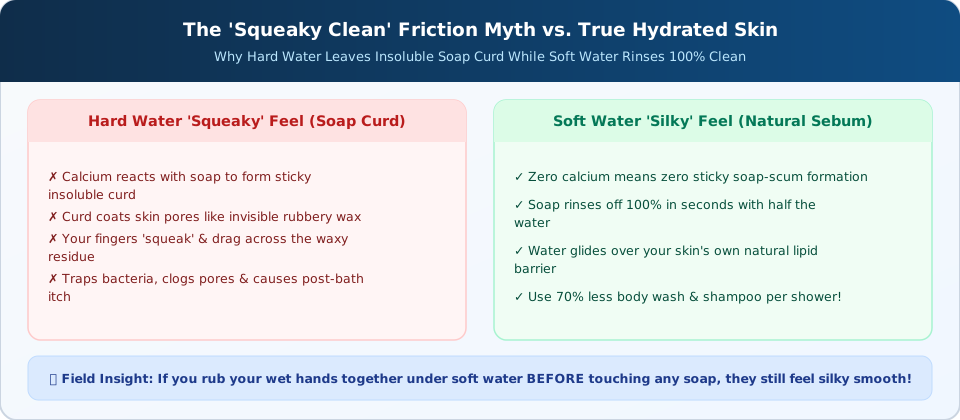
The outermost layer of your skin, the stratum corneum, acts as a protective barrier that keeps moisture in and pathogens out. This barrier functions best at a slightly acidic pH (around 5.5). When you wash with hard water, the divalent calcium and magnesium ions react with the fatty acids in soaps to form an insoluble, sticky precipitate known as soap scum.
This soap scum remains on the skin, leaving a film that cannot be fully rinsed away. This film alters the skin's pH, rendering it alkaline, and strips away the natural lipid barrier (natural oils) that maintains hydration. This chemical disruption leads to chronic dry skin (xerosis) and localized itching.
Aggravation of Skin Conditions
For individuals with sensitive skin, hard water can act as a trigger or worsen pre-existing dermatological conditions:
- Eczema (Atopic Dermatitis): The mineral film breaks down the skin barrier, allowing moisture to escape and environmental allergens to penetrate. Studies have shown that children living in hard water areas are significantly more likely to develop eczema.
- Psoriasis: The extreme dryness and irritation caused by hard water can trigger psoriasis flares, leading to increased redness and scaling.
- Acne and Breakouts: The sticky soap scum film clogs pores, trapping sebum, dirt, and bacteria underneath. This creates the perfect anaerobic environment for acne-causing bacteria to multiply.
Why Body Washes and Lotions Aren't Enough
Applying expensive moisturizing lotions or switching to synthetic body washes can provide temporary comfort, but they do not address the root cause. As long as you continue to bathe in water saturated with calcium and magnesium, your skin barrier will remain compromised. Using moisturizers on top of a soap scum film can even trap more dirt and further clog your pores.
The Soft Water Solution for Healthy Skin
Soft water contains no hard minerals, allowing soaps to dissolve completely and rinse away without leaving any residue. Here is what happens when you switch to soft water:
- The skin's natural pH and lipid barrier are preserved, allowing the skin to self-hydrate.
- Pores remain clear of soap scum, reducing breakouts and acne.
- Eczema and dry skin symptoms improve significantly within a few weeks of use.
- You need to use far less soap and lotion, saving you money on personal care products.
Anjani Traders installs premium residential water softeners in Jaipur. Contact us today on WhatsApp to learn how soft water can restore your skin's health and natural glow.
How Softened Water Restores the Skin's Natural Acid Mantle
Healthy human skin maintains a slightly acidic protective barrier (the acid mantle, pH 4.7 to 5.5). Raw alkaline borewell water in Jaipur and Rajasthan typically has a pH of 7.8 to 8.4 and carries 500–1,400 PPM of calcium and magnesium. Because hard water prevents body wash from lathering (see why soap doesn't lather), bathers use 2.5x more soap and scrub harder, leaving behind pore-clogging calcium soap curd.
When your home softener is properly maintained with 99.7% pure compacted salt tablets, bath water rinses soap off 100% cleanly—giving that signature silky, hydrated feel (why soft water feels slippery on skin) and protecting infants and sensitive skin from hard-water eczema flare-ups.
Frequently Asked Questions
Request Softener Support
Connect with Anjani Traders on WhatsApp for prompt service, salt delivery, or expert advice in Jaipur.